
Resources
for Worldschooling, Homeschooling & Forest-School-Inspired Learning
This resource hub supports worldschooling families in New Zealand, homeschooling families, and educators seeking forest-school-inspired, nature-based learning.
Here you’ll find practical ideas, reflections, and learning stories rooted in place — including outdoor homeschool activities, place-based curriculum inspiration, and examples of forest school–style learning in the Wellington region and beyond.
We explore place-based, hands-on learning as it is lived and practiced: through seasonal rhythms, shared inquiry, and work that engages the whole body, not just the mind. These reflections are offered as starting points rather than prescriptions, grounded in local contexts and real experience.
These resources are shared for learners of all ages, homeschooling families, and educators working in community-led, nature-based, or alternative learning spaces — particularly within the Wellington region and Aotearoa more broadly.
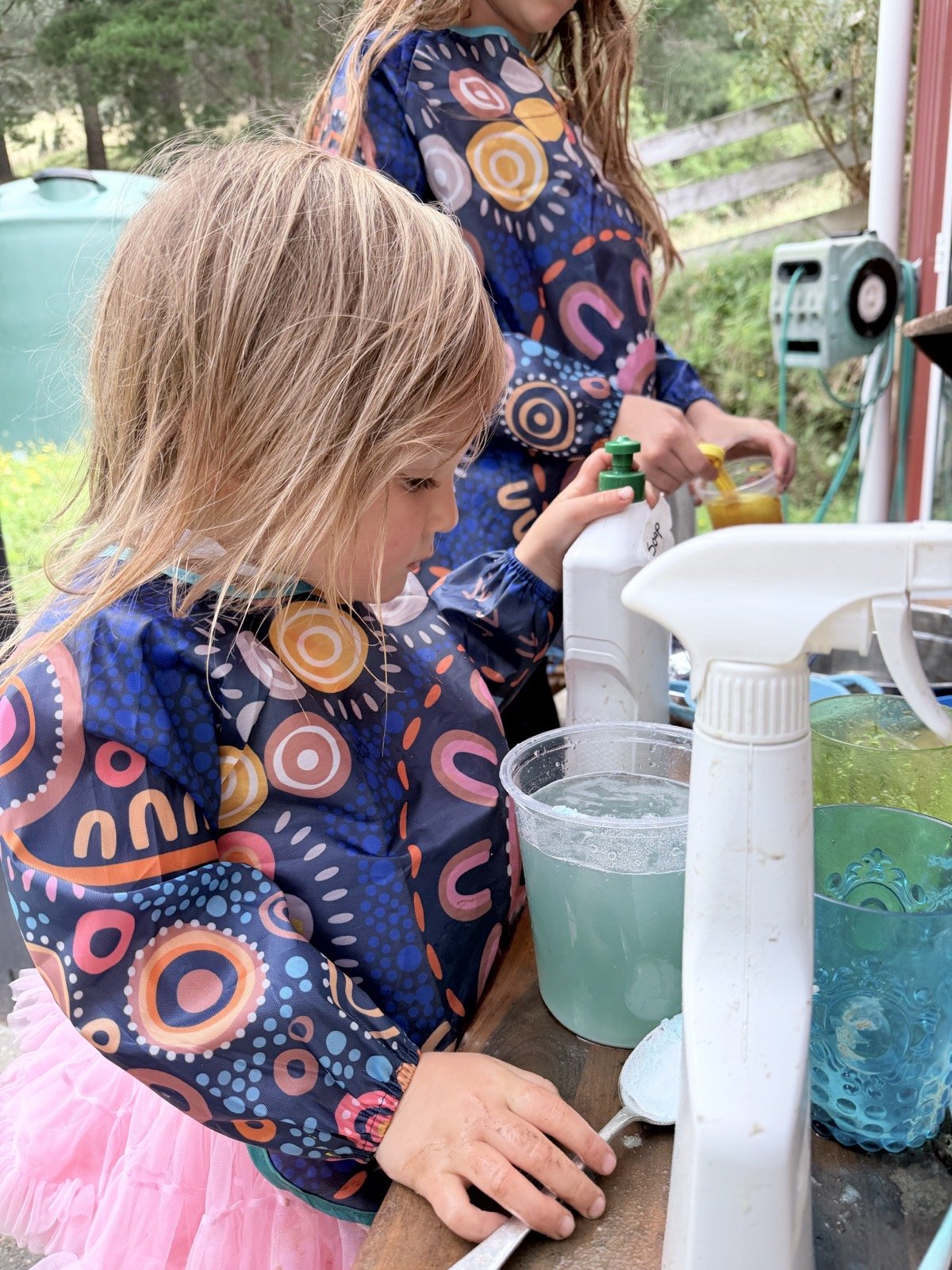
What Does a Homeschool Day Look Like?
The truth is that homeschooling often looks quite different from traditional schooling. Rather than following a strict timetable designed for large classrooms, many families create a gentle rhythm to their day — balancing focused learning, exploration, creativity, and rest.
This rhythm gives children both structure and freedom, allowing learning to unfold in ways that feel meaningful and engaging.
Here’s an example of what a homeschool day might look like.
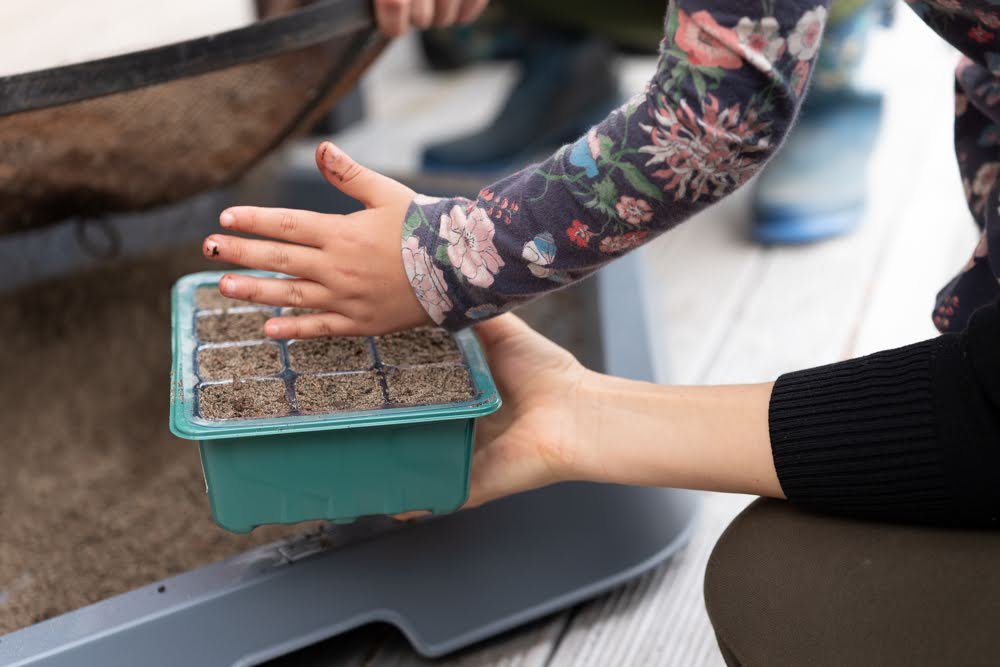
How to Start Homeschooling in New Zealand
A simple guide to starting homeschooling in New Zealand, including legal requirements, learning approaches, and ways to build a supportive learning community.
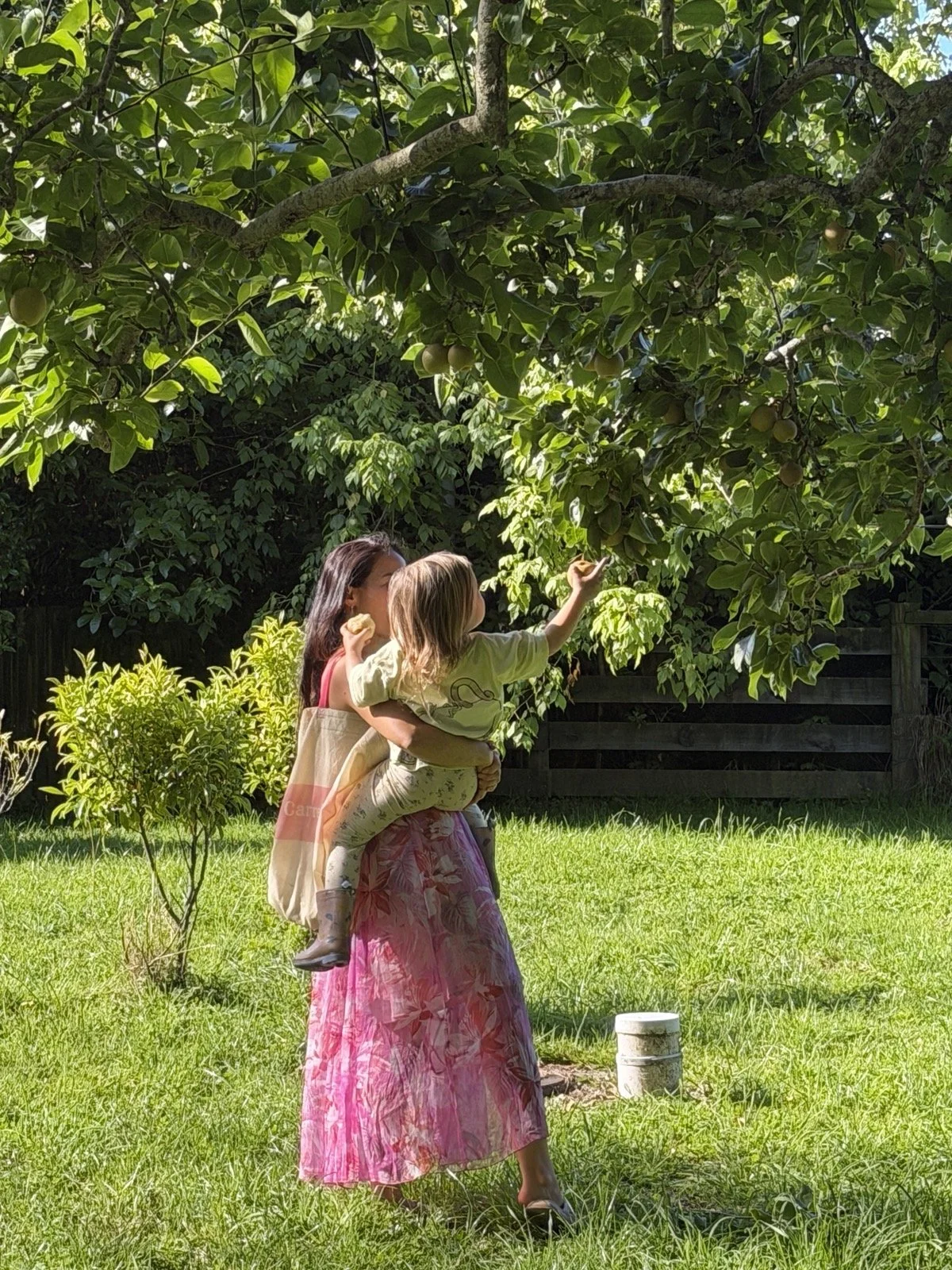
How to Worldschool in New Zealand
New Zealand has quietly become one of the most appealing destinations for worldschooling families.
With vast natural landscapes, a strong outdoor culture, and welcoming communities, it offers children the opportunity to learn through nature, culture, and lived experience.
For families considering spending a season in Aotearoa, here is a practical guide to visas, seasons, and learning options.
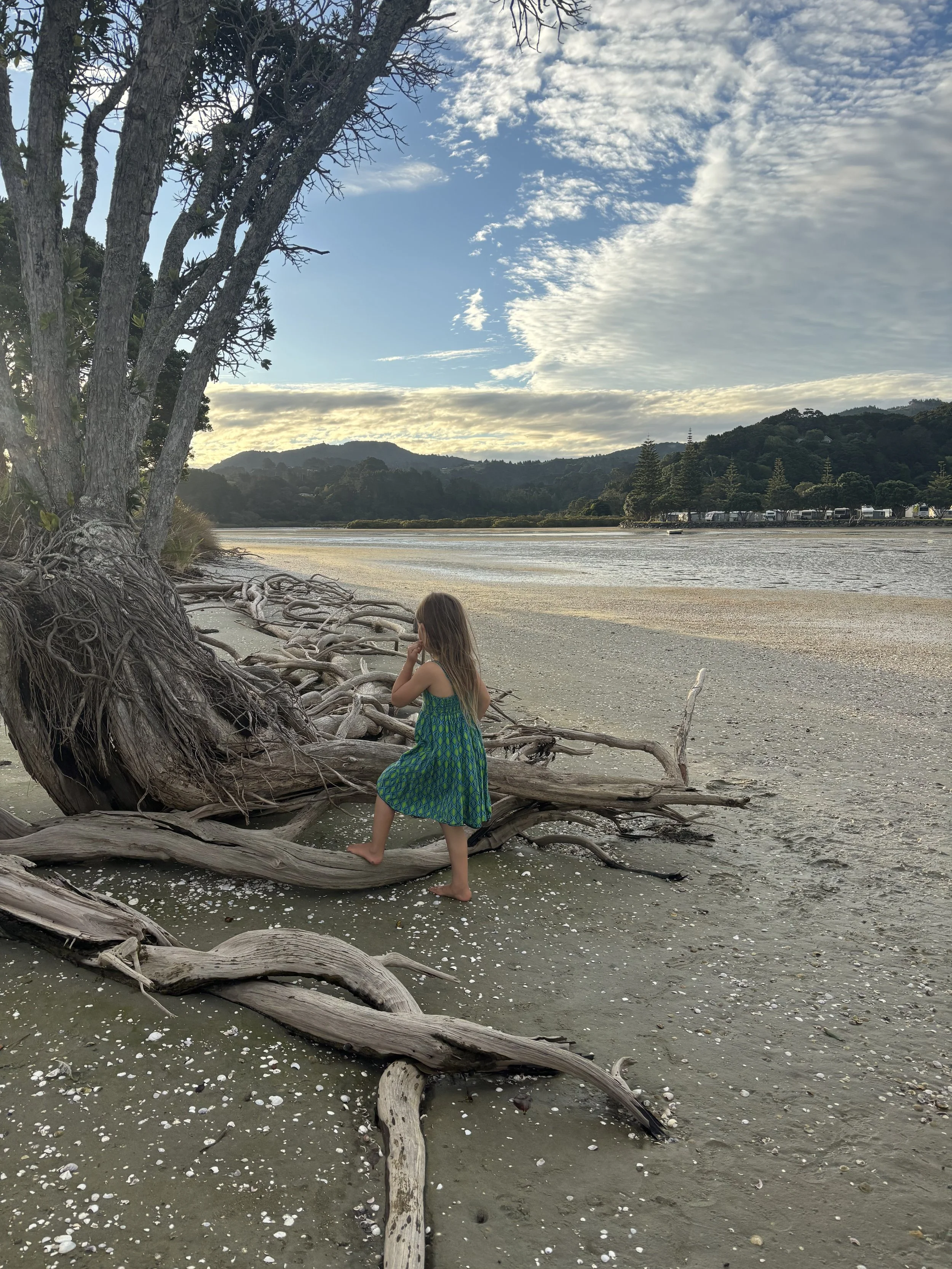
Is There a Boundless Life in New Zealand?
Many travelling families discover worldschooling through programs like Boundless Life. While Boundless Life does not currently operate in New Zealand, Earth School Aotearoa offers a similar opportunity for families seeking a place-based learning experience. Located on a regenerative farm near Wellington, Earth School welcomes worldschooling families to live, learn, and explore nature alongside local children.
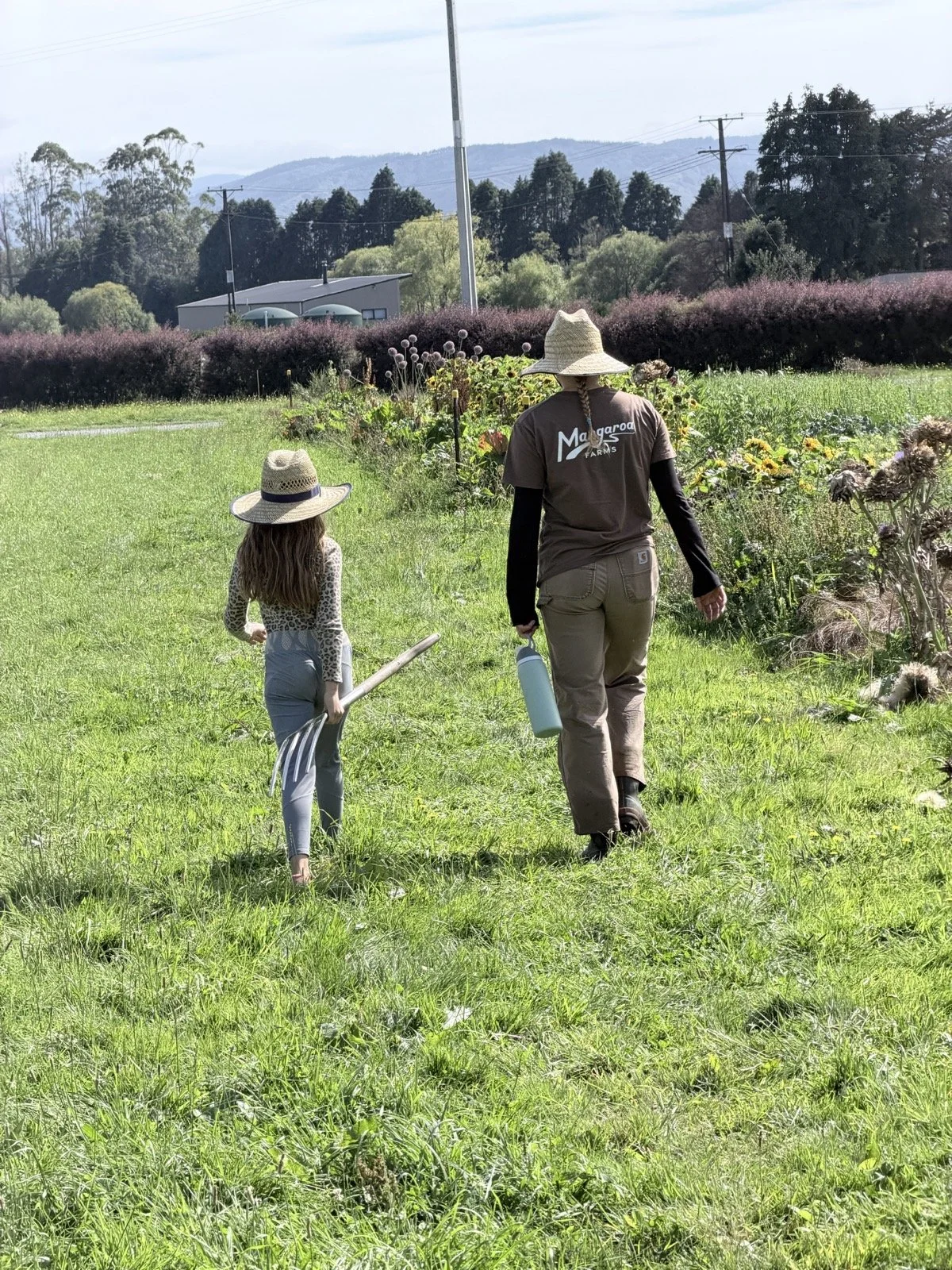
Place-Based Learning
Children growing up in a digitally saturated world need something that cannot be automated: direct relationship with the living world. They need a sense of place where they can grow roots.
When the winds of change blow — technologically, climatically, politically — it is those with roots who can bend without breaking. And from strong roots, wise action grows.
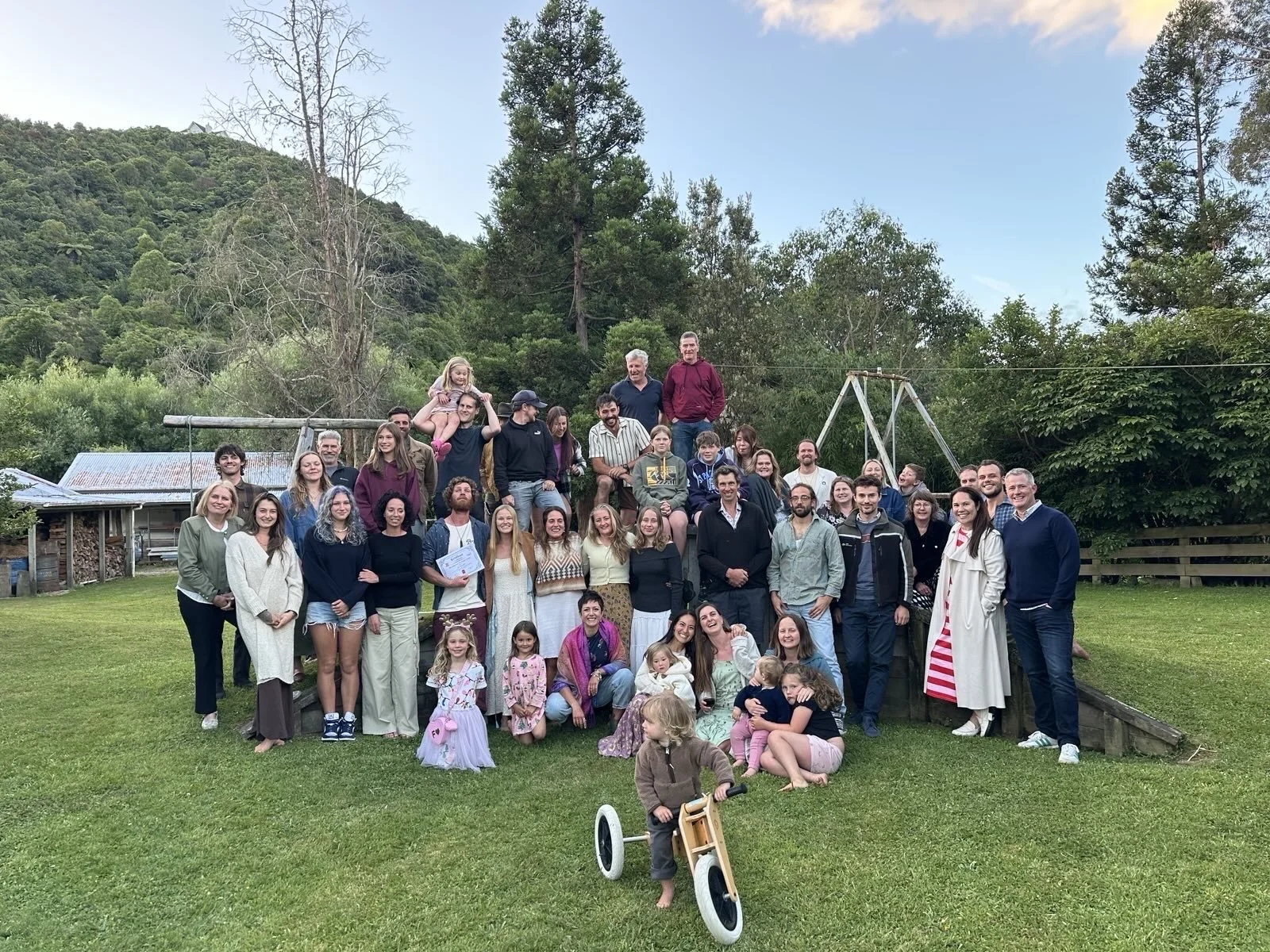
Community Is our Superpower
Why learning how to build and sustain community may be one of the most future-ready skills of all:
Learning the Water Cycle by Living It
How do children really understand the water cycle? Not by memorising diagrams — but by watching water move, experimenting with evaporation and condensation, telling the story through art and play, and learning how to slow rainwater down in real landscapes. This month-long homeschool curriculum invites families to explore water as a living system through hands-on science, observation, creativity, and care.
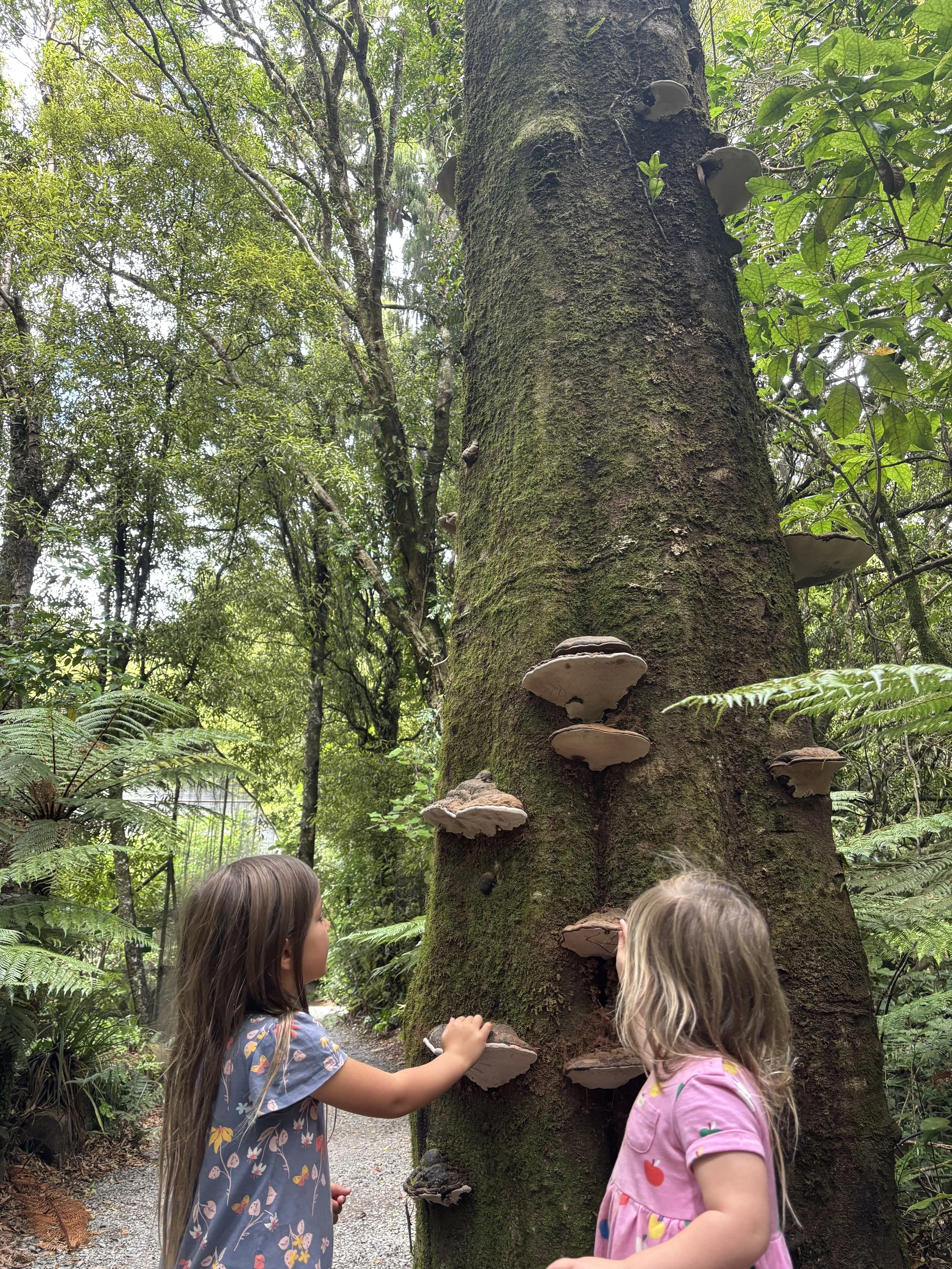
Are Humans Mature Enough for AI?
As artificial intelligence accelerates, the real question is not how smart our machines are, but whether humans are mature enough to guide them wisely. Drawing on forest intelligence, Earth School’s learning philosophy, and global movements for ecological and cultural renewal, this reflection explores why maturity (not mastery) may be the most essential skill of the AI era.
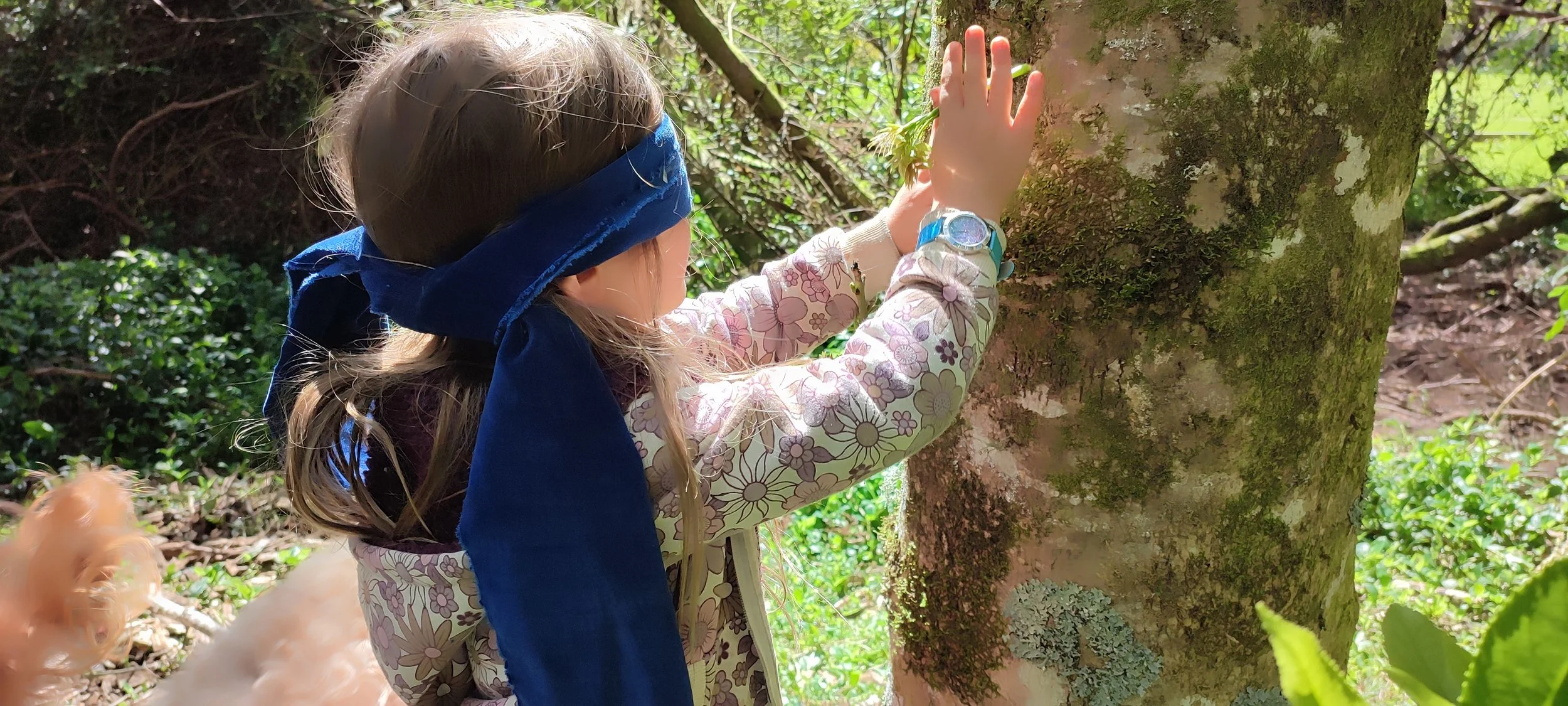
From Job Seeker to Sense Maker
In a world where roles, tools, and whole industries keep dissolving and reforming—often faster than adults can track—stability no longer comes from a career. It comes from inner capacities, relational intelligence, and the ability to learn with reality as it changes.
Earth School children are being prepared in a few deeply different ways:
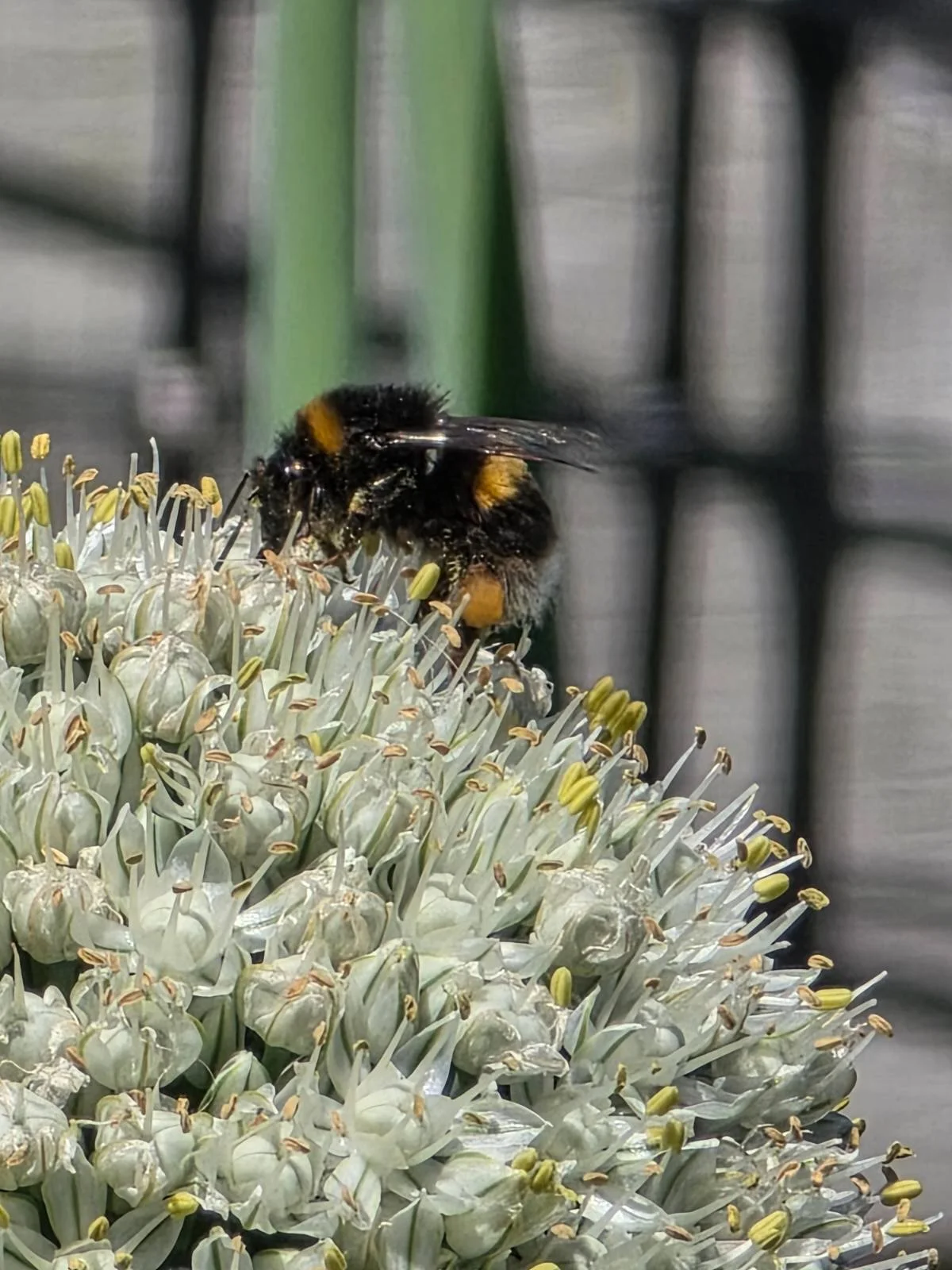
Studying Pollination: Learning With the Living World
As summmer reaches its peak, we have been studying pollination at Earth School Aotearoa. Pollintors offer more than scientific knowledge. They offered a way of understanding the world — one rooted in attention, relationship, and gratitude for the unseen work that sustains us all.
By the end of the unit, pollination was no longer an abstract idea. It was something the children had seen, felt, enacted, and reflected on. Learn about how we approached it and some resources that can help homeschoolers explore this topic.
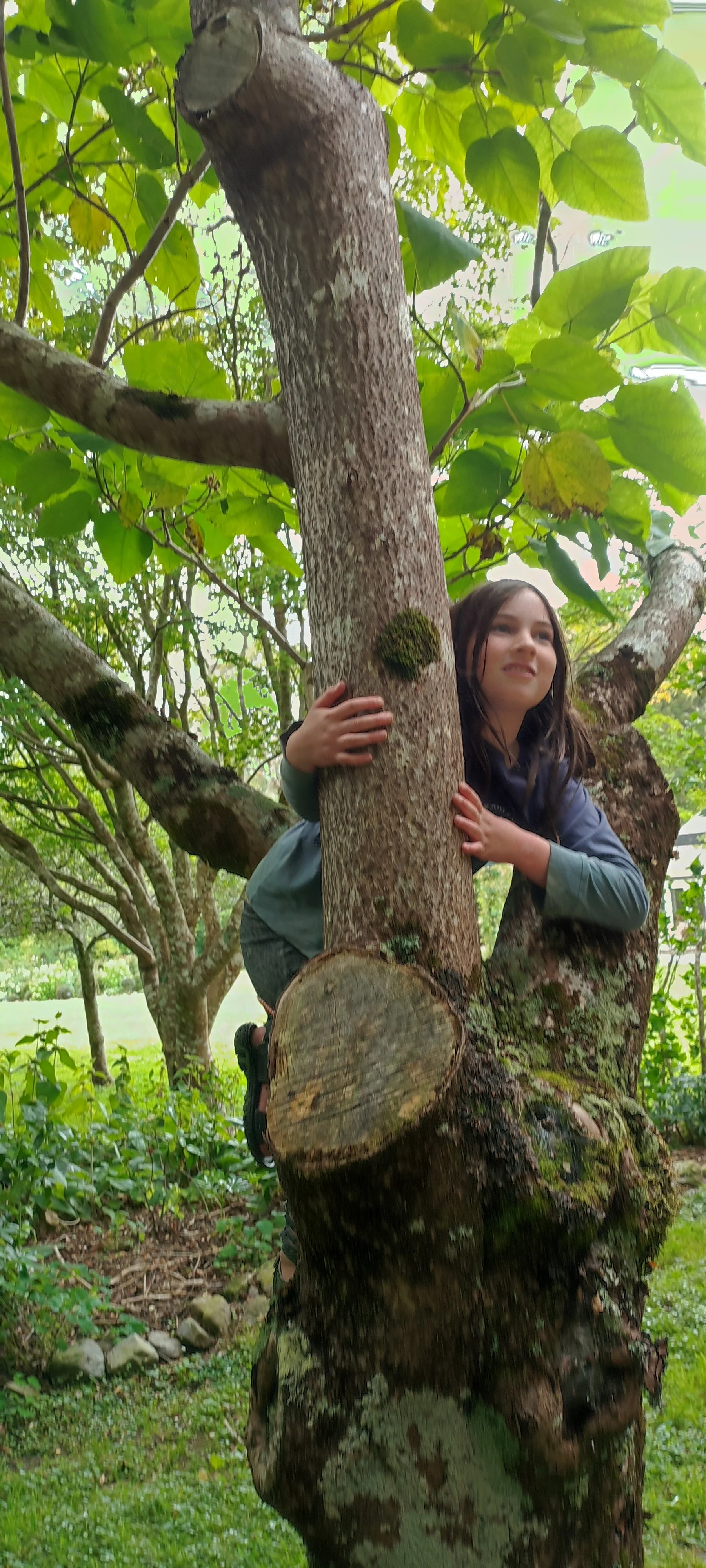
Earth School Aotearoa & Forest School
Earth School Aotearoa is often described as forest-school-inspired — and that’s a fair starting point. Like Forest School, learning here is rooted outdoors, guided by curiosity, and shaped by children’s direct relationship with land, place, and the more-than-human world.
Where Earth School differs is in how we intentionally layer learning over time.
Rather than leaving learning outcomes entirely implicit, we weave mathematics, literacy, science, and systems thinking into children’s lived experiences in nature — supporting both deep engagement and children’s longer-term learning arcs.
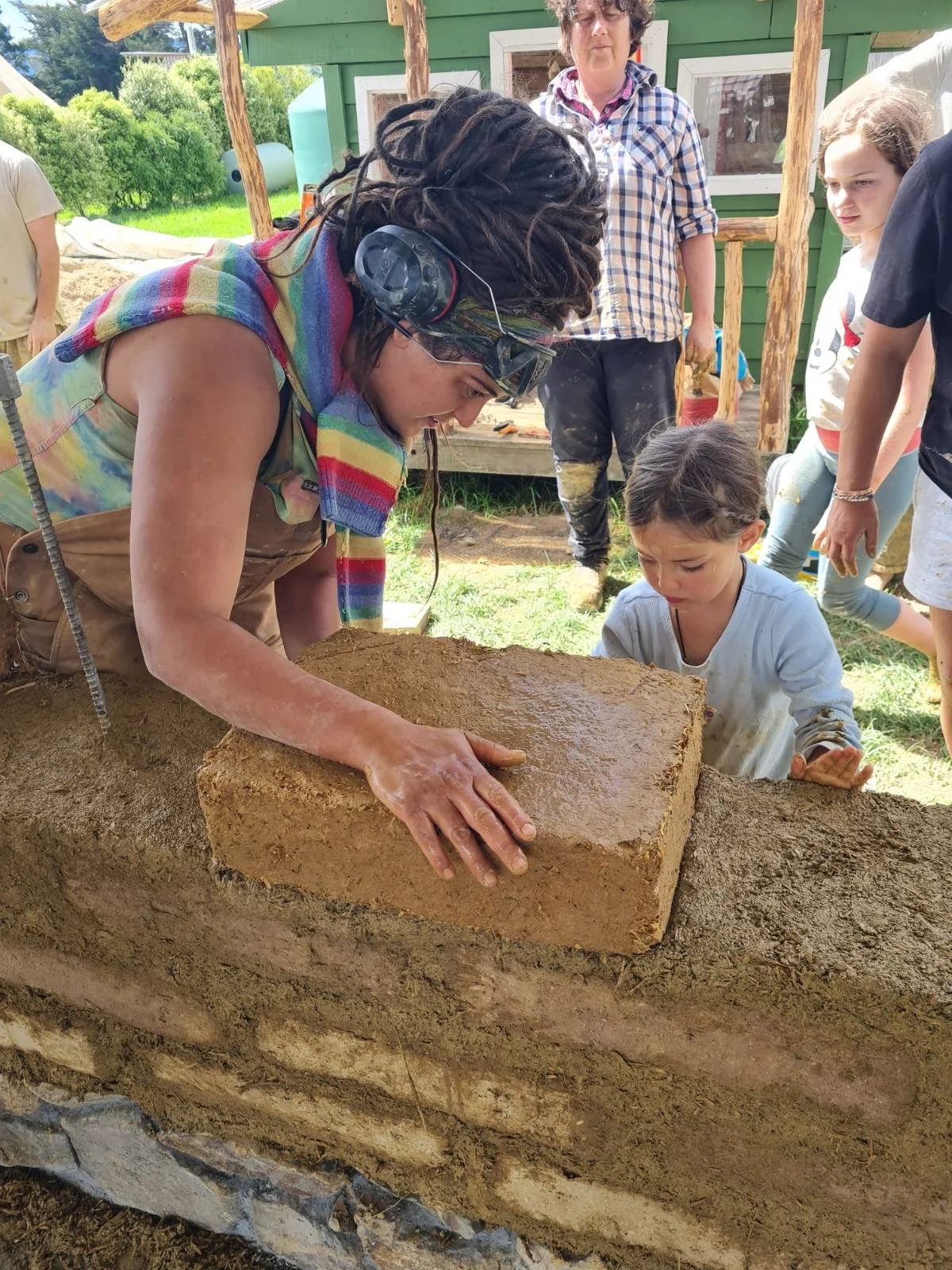
Earth Building with Sigi Koko
Through a series of earth building workshops at Mangaroa Farms, children explored natural building methods while developing understanding across science, maths, engineering, and ecological design — all through embodied, hands-on experience.
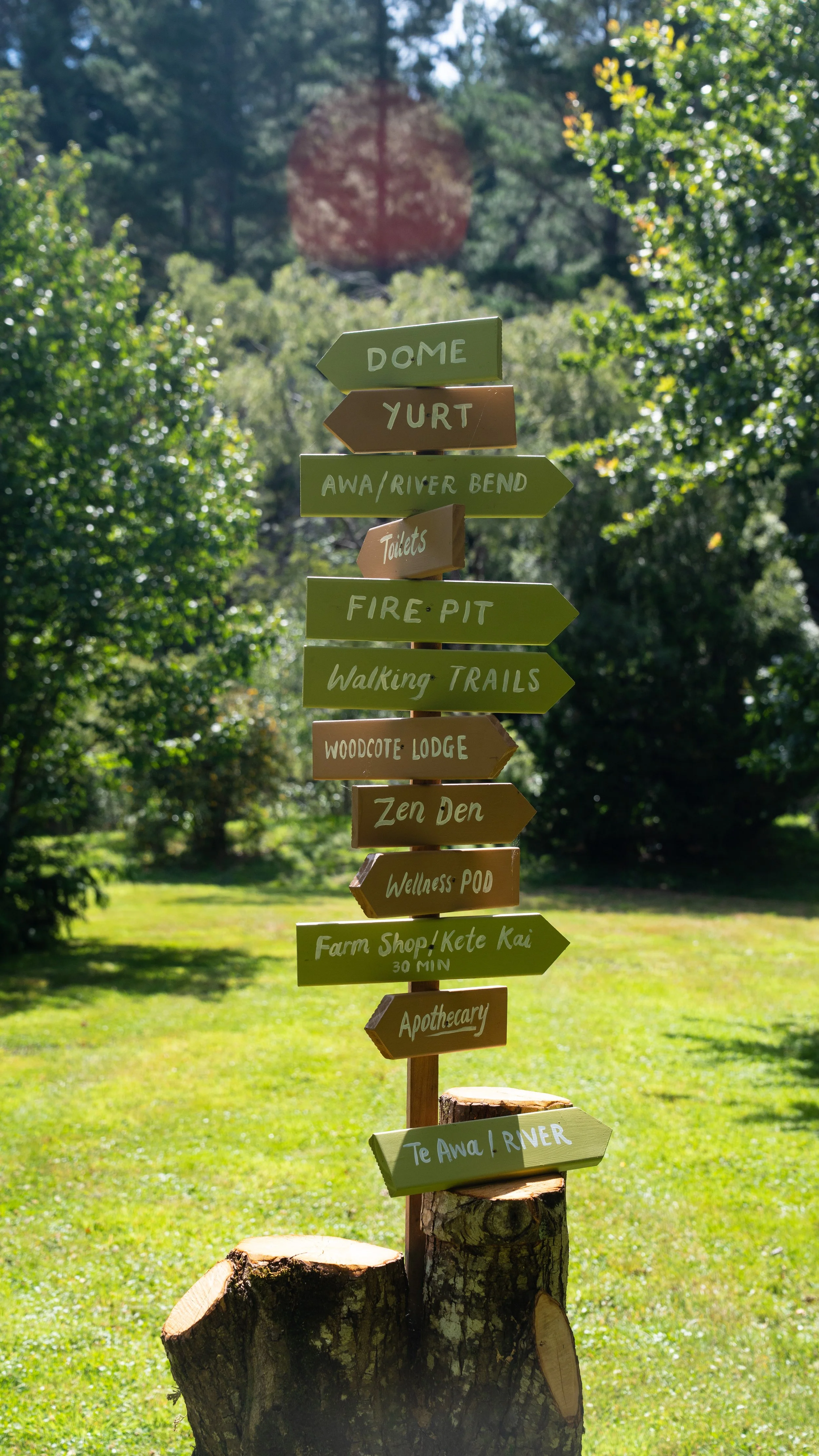
How Place-Based Learning Supports Children’s Learning and Wellbeing
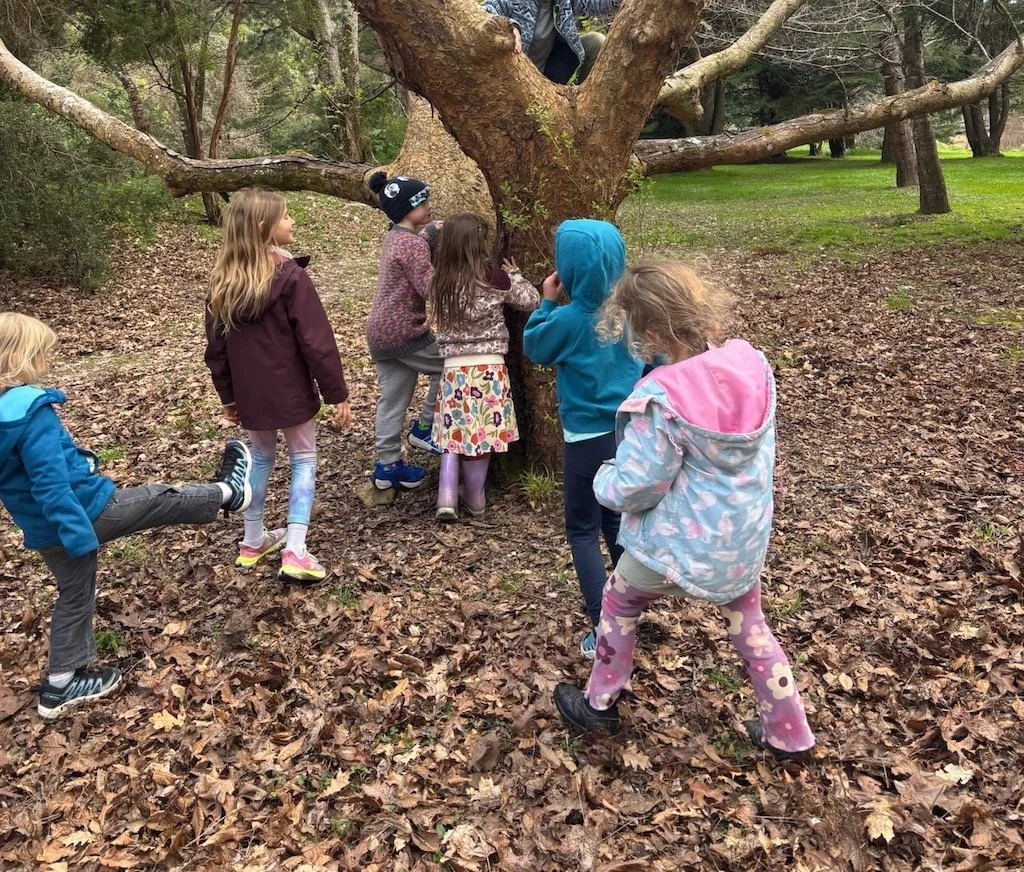
A Seasonal Rhythm of Learning for Homeschoolers in Aotearoa
For many homeschooling families in the Wellington region, one of the ongoing questions is how to shape learning in a way that feels sustainable, meaningful, and responsive to children’s real lives — rather than trying to recreate a classroom at home.
Seasonal learning offers one possible approach. By aligning learning with the rhythms of the seasons, families can notice changes in weather, light, plants, animals, and community life, and allow learning to emerge through lived experience.
This resource offers a gentle framework for seasonal learning in the Wellington region, alongside local examples and ideas that families can adapt to suit their own children, values, and circumstances.
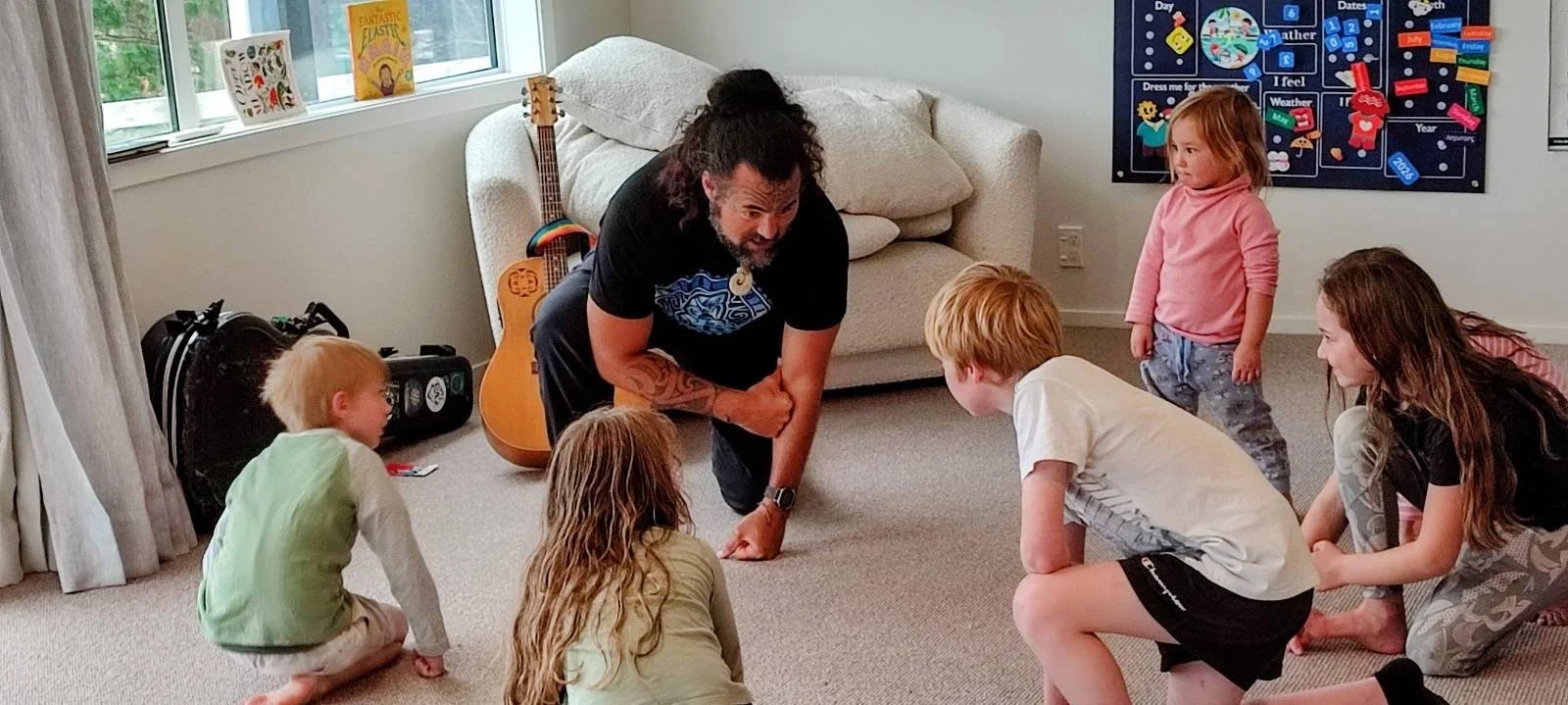
Mātauranga Māori at Earth School Aotearoa
Earth School Aotearoa is a place-based learning community rooted in whenua, relationship, and seasonal rhythm. Our approach is informed by mātauranga Māori — the knowledge systems, values, and ways of being that have grown in relationship with this land over generations.
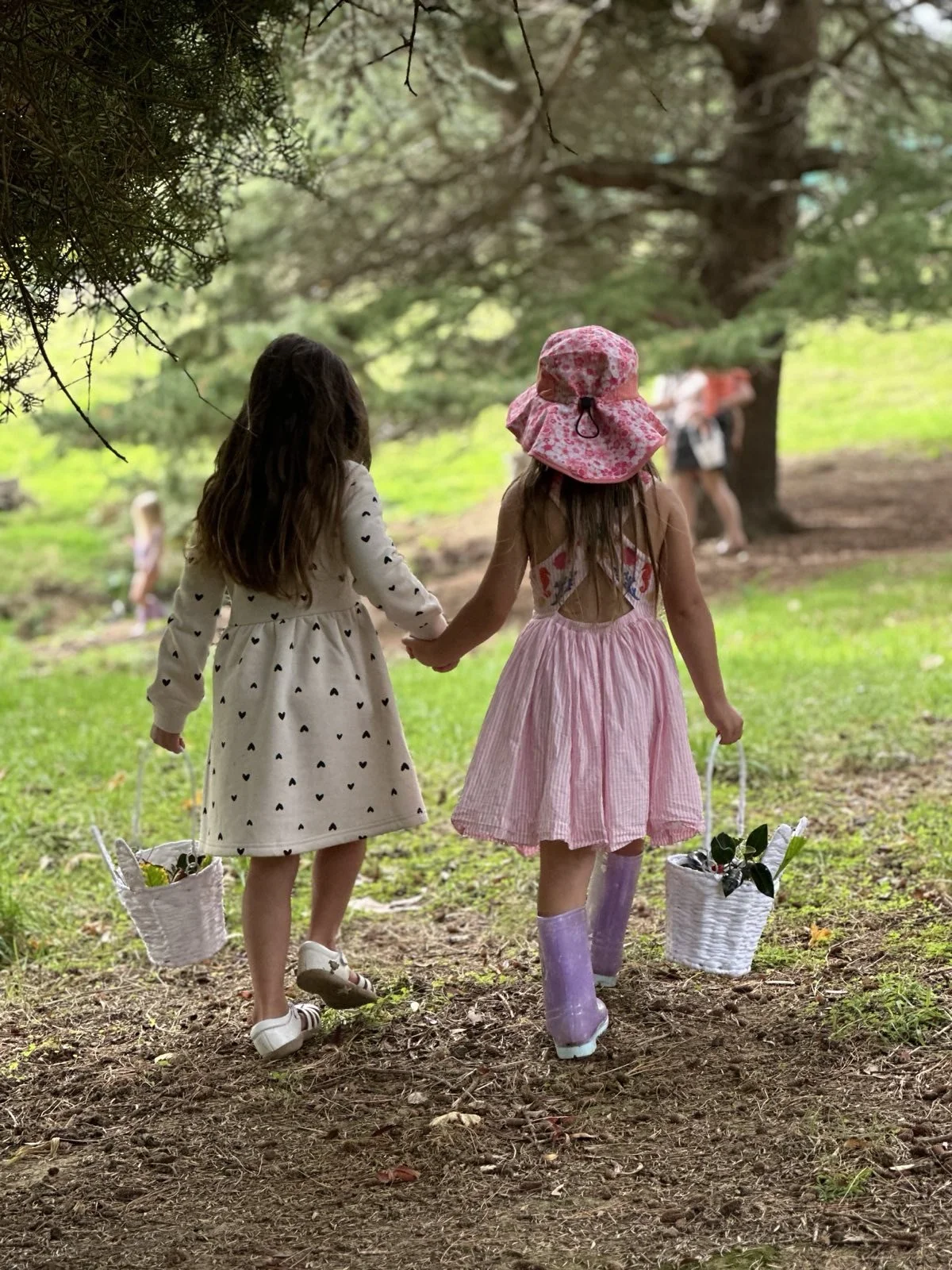
Worldschooling in New Zealand
Worldschooling is an approach to learning that weaves together family life, travel, and education through lived experience. Rather than following a fixed classroom model, children learn through engagement with place, culture, people, and everyday life.
For many families, choosing where to worldschool is as important as how. Aotearoa New Zealand has become a compelling destination for families seeking safety, natural beauty, cultural depth, and a pace of life that supports wellbeing and connection.
Earth School Aotearoa supports families who choose to spend a season in New Zealand — offering a grounded learning environment, a welcoming community, and a place where children can truly settle.
What Is Regenerative Education?
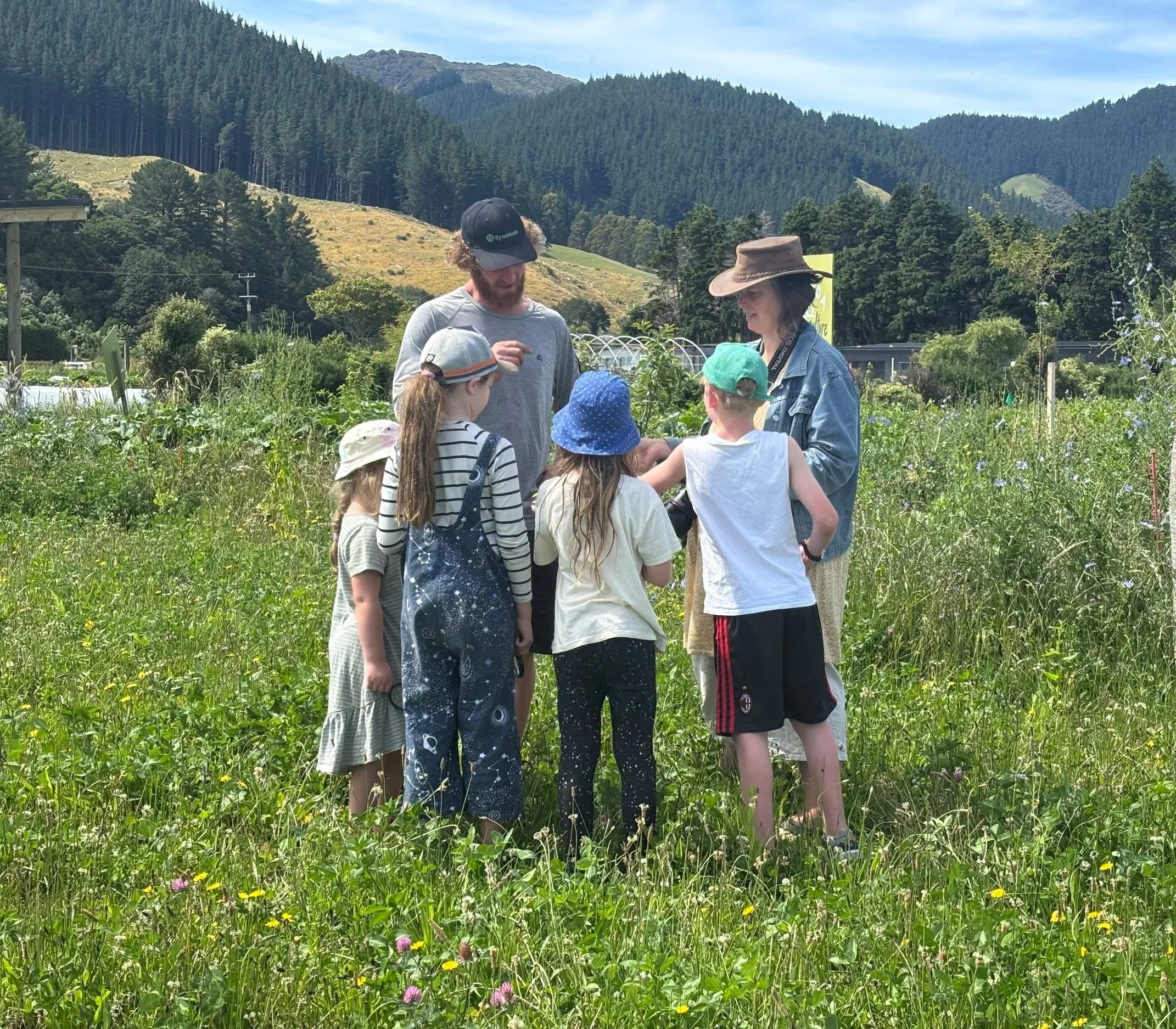
Regenerative education is an approach to learning that asks a simple but important question: does our way of learning help people and places thrive over time?
Rather than focusing only on individual achievement or academic outcomes, regenerative education pays attention to relationships — between learners, communities, land, culture, and future generations. It recognises that education shapes not only what children know, but how they relate to the world they are growing into.
Regenerative Education Reading List
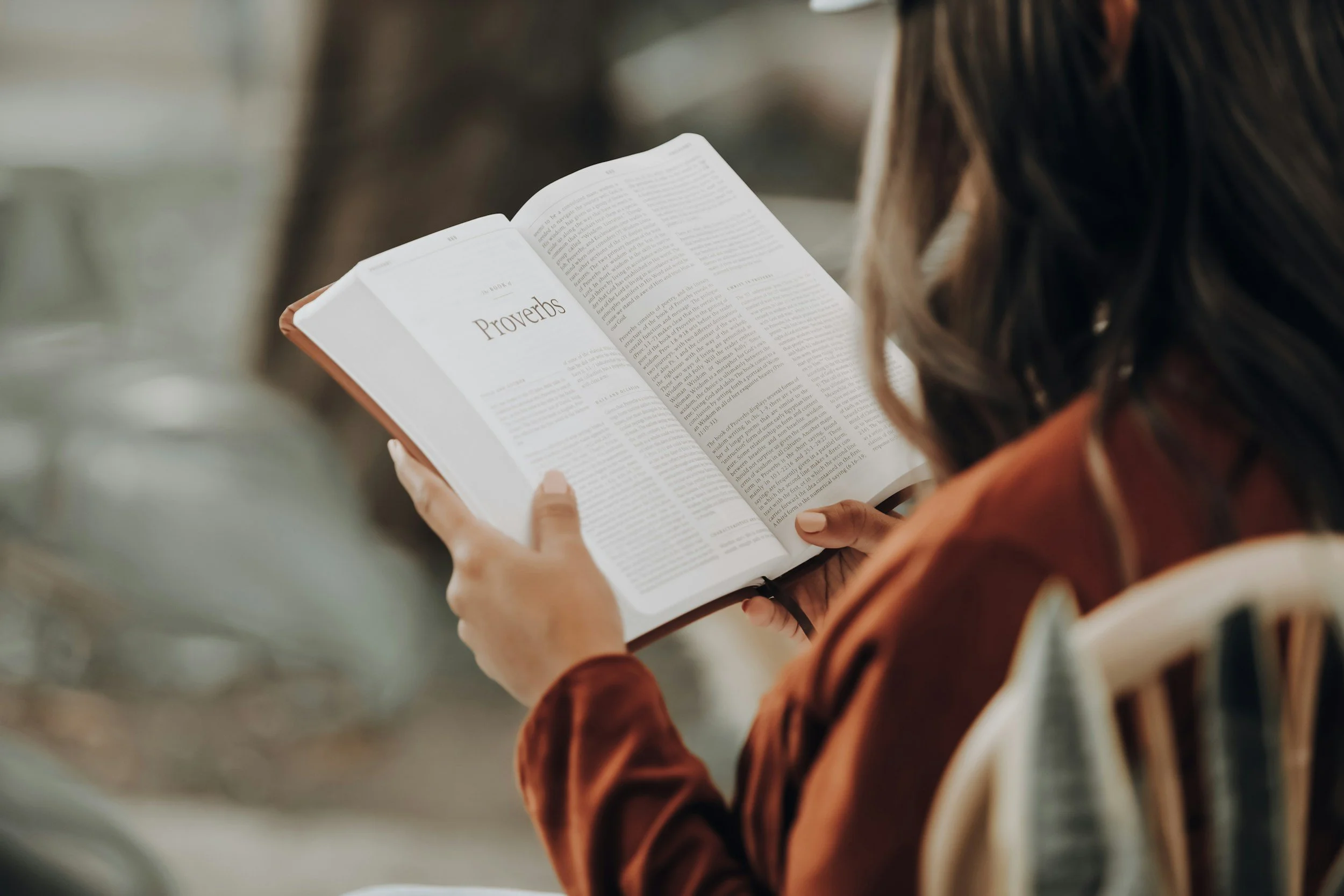
For those interested in exploring regenerative and place-based approaches to learning more deeply, the following resources offer thoughtful perspectives from education, ecology, and Indigenous knowledge.